
After an auto accident — get evaluated.
Whiplash, soft-tissue injury, or post-collision pain often shows up days or weeks later — long after the adrenaline fades. Get a proper exam, treatment, and (if needed) documentation for your insurance / personal injury claim. Don't wait it out.
- Same-weekoften available
- Documentationfor claims
- Direct billingw/ many auto carriers
The crash, in slow motion.
Hit play. Watch the cervical spine deform — first into the injury-prone S-curve, then into hyperextension, then rebound — exactly the motion a rear-end collision puts on the neck.
Even small collisions cause real damage.
Whiplash isn't just neck pain. The rapid acceleration-deceleration motion in any rear-end collision (even at 5-15 mph) can stretch and tear cervical ligaments, irritate facet joints, and traumatize disc tissue. Symptoms commonly delay 24-72 hours — and longer for some.
- Don't assume you're fine just because nothing hurt at the scene
- Symptoms often emerge 1-7 days post-collision
- Early evaluation prevents long-term cervical instability
- Documentation matters if a personal-injury claim is involved
What auto patients tell us.
Neck pain & stiffness
Often the first sign — usually 24–72 hours post-collision.
Headaches
Cervicogenic (cervical-driven) headaches are the most common after whiplash.
Shoulder & arm pain
Cervical disc injuries can refer pain into the shoulders and arms.
Low back pain
Lap-belt forces and braced posture can stress the lumbar spine.
Dizziness or fog
Cervical injury can affect proprioception and cause dizziness or "feeling off."
Fatigue, irritability, sleep issues
Sustained inflammation drives the body into overdrive.
A blended recovery plan.
Chiropractic Adjustments
Restore cervical and lumbar movement after the collision.
Learn more →Decompression
For cervical or lumbar disc injury — supports recovery without surgery.
Learn more →Class IV Laser
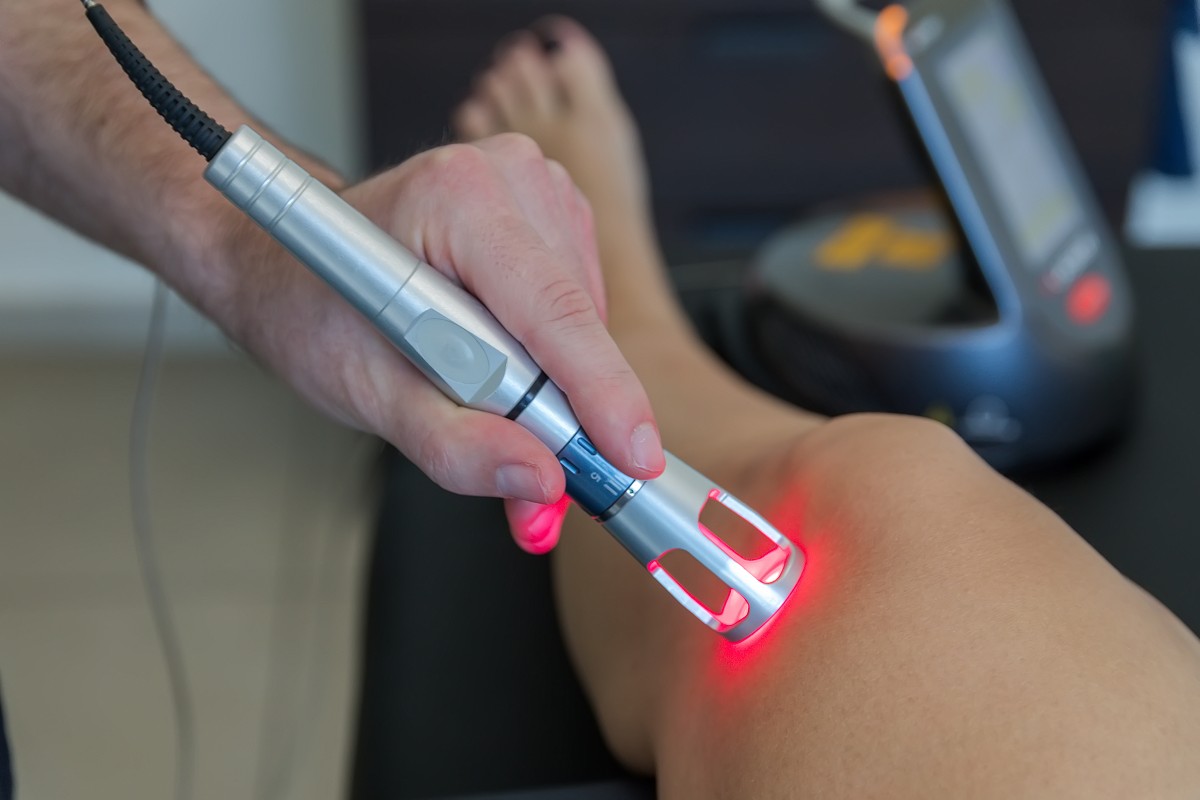
Reduces post-trauma inflammation and supports tissue healing.
Learn more →EMS
Re-engages muscles that have shut down post-injury.
Learn more →Quick answers.
How soon should I be seen after an accident?
Within a week is best — even if you feel okay. Symptoms commonly delay, and early documentation strengthens any claim and recovery.
Will my auto insurance cover this?
Often yes — Florida PIP (Personal Injury Protection) typically covers initial chiropractic care after an accident. We help walk you through the documentation. Reach out and we'll explain →
Do you work with personal-injury attorneys?
Yes — we provide thorough documentation that works for both insurance and PI claims. Bring any attorney/case info to your first visit.
What if I had no immediate pain?
It's still important to be evaluated. Adrenaline masks symptoms in the first hours/days. Whiplash often surfaces 1–7 days later, sometimes longer.
What to know about whiplash and auto injury.
A clear plan in the first week makes a difference — for your body, and for any insurance or personal-injury claim that may follow.
Common symptoms of whiplash after a car accident
Whiplash symptoms often don't show up at the scene. The body's adrenaline response masks pain in the first hours and even days, which is why so many people feel "fine" right after a collision and then crash a few days later. The most common delayed-onset symptoms include neck pain and stiffness (usually 24-72 hours after impact), tension headaches that start at the base of the skull, shoulder and upper-back pain, dizziness or a feeling of being "off-balance," brain fog and trouble concentrating, jaw pain or tightness, ringing in the ears, fatigue and irritability, and disrupted sleep. Lower-back pain is also common because of the way seatbelts brace the lumbar spine during impact. Many patients report that what started as mild stiffness became a deeper pain pattern by the end of the first week.
Why see a chiropractor after a car accident even if you feel fine
The standard auto-injury timeline is delayed inflammation. The cervical ligaments and facet joints that absorb a rear-end collision don't always announce themselves immediately — micro-tears trigger an inflammatory cascade that builds over 24 to 72 hours, sometimes longer. Soft-tissue damage that's never properly evaluated can become chronic neck pain, recurrent headaches, or cervical instability years later. There's also the documentation angle: if you eventually file a personal-injury or PIP claim, contemporaneous medical records from the days right after the collision are far stronger evidence than records from weeks or months later. Studies suggest that early conservative care after whiplash is associated with shorter recovery times and lower likelihood of chronic symptoms compared with "wait and see" approaches.
What to do in the first 72 hours after an auto accident
First, prioritize anything emergent — call 911 if there's any chance of head injury, loss of consciousness, severe pain, or numbness. Once the immediate scene is handled: file the police report, exchange insurance information, photograph everything (vehicles, plates, scene), and write down what you remember while it's fresh. Within the first week — ideally within 72 hours — get a proper musculoskeletal evaluation, even if symptoms feel mild. Avoid heavy lifting, twisting, or jarring activity. Hydrate and sleep more than usual; tissue repair runs on both. Don't sign any insurance settlement before being evaluated, and keep every receipt. If a personal-injury attorney becomes involved, share their information with the clinic so documentation can be coordinated.
Auto injury and whiplash treatment FAQs.
How long do I have to file a personal-injury claim in Florida?
Florida's statute of limitations for personal-injury claims tied to a motor-vehicle accident is generally two years from the date of the accident (this changed from four years for accidents on or after March 24, 2023). PIP rules also require initial medical care within 14 days of the collision to qualify for benefits. Don't rely on this as legal advice — talk to a qualified Florida personal-injury attorney about your specific case.
Will my PIP insurance cover chiropractic care?
Florida PIP (Personal Injury Protection) typically covers chiropractic care after a motor-vehicle accident, but the specifics depend on your policy and on whether you receive an "emergency medical condition" designation within 14 days. We help patients understand the documentation side of this — reach out with your accident date and we'll walk you through what to expect.
What if my pain didn't start right away?
That's the normal pattern after a whiplash injury, not the exception. Adrenaline and endorphins suppress pain in the first hours and days. Most post-collision patients report that symptoms emerged 1-7 days after the accident, sometimes longer. Get evaluated anyway — early documentation strengthens both your recovery and any claim that may follow.
Do you coordinate with personal-injury attorneys?
Yes. We provide thorough documentation that supports both insurance and PI claims, and we're comfortable working alongside your attorney's office. Bring any case or attorney information to your first chiropractic adjustments evaluation. If your collision involved neck pain or headaches, those will also factor into your treatment plan.
Get evaluated this week.
Quickest path is a phone call. Tell us your accident date — we'll fit you in.