
Burning, tingling, numbness in your hands or feet?
It's called peripheral neuropathy — and you don't have to live with it. Our structured, multi-modal program addresses the underlying causes of nerve dysfunction, drug-free, with a clear measurement of progress at every step.
- Multi-modalcombined therapies
- Drug-freeno new prescriptions
- Trackedmeasurable progress
Does this sound like your neuropathy?
Three quick questions help us point you toward the kind of pattern we see most often. This is educational, not a diagnosis — but it'll help your conversation with us start in the right place.
Where neuropathy comes from.
Diabetes
The most common cause. Long-term blood sugar elevations damage nerves, especially in feet/hands.
Chemotherapy
Many oncology drugs damage peripheral nerves. The damage often outlasts treatment.
Idiopathic ("unknown")
You've been told nothing's clearly wrong — but you still have symptoms. We work with these.
Compressive (pinched nerve)
Disc, stenosis, or scar tissue compressing the nerve.
Post-surgical
Post-back, post-knee, post-cervical surgery nerve symptoms that have lingered.
Vitamin / nutritional
B12, B6, and other deficiencies can drive nerve symptoms. Worth screening.
A real program, not a single therapy.
Neuropathy Program
The full structured program. The right choice for most peripheral neuropathy.
Learn more →Class IV Laser
Calms inflamed nerves and supports cellular repair.
Learn more →EMS
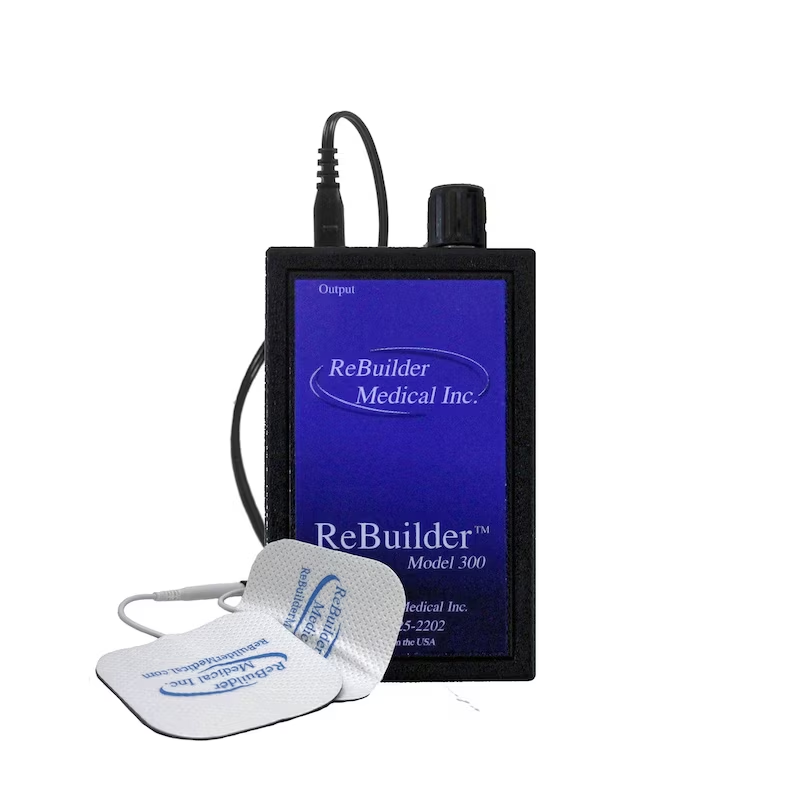
Re-engages dormant muscles and improves circulation.
Learn more →Decompression
For neuropathy linked to disc or stenosis compression.
Learn more →Quick answers.
Is neuropathy reversible?
Often partially or fully — depending on type, severity, and how long it's gone untreated. We're upfront during the evaluation about what to expect for your case.
Do I have to stop my medications?
No — that's between you and your prescribing doctor. We don't direct prescription changes.
Is the program painful?
No. Most therapies are non-invasive and comfortable. You may feel sensation changes — usually a sign of nerve activity returning.
Insurance?
Neuropathy programs are rarely covered. HSA/FSA accepted; CareCredit available. Payment options →
Understanding peripheral neuropathy.
Knowing what's happening — and why early action matters — is the first step toward a real plan for neuropathy treatment.
What causes peripheral neuropathy?
Peripheral neuropathy isn't one condition — it's a category of nerve dysfunction with many possible drivers. Diabetes is the leading cause in the United States, where chronically elevated blood sugar damages the small nerves in the feet and hands. Chemotherapy is another common driver: many oncology agents are neurotoxic, and the symptoms can outlast treatment by months or years. Autoimmune conditions (like Guillain-Barré or lupus), vitamin deficiencies (especially B12, B6, and folate), post-surgical nerve trauma, alcohol-related nerve damage, infections, and toxic exposures can all produce neuropathy. In a meaningful share of cases the cause is never identified — that's called idiopathic neuropathy. The good news: many patients report improvement regardless of the underlying cause when the nerves still have repair capacity left.
Symptoms of neuropathy beyond burning and tingling
Most people associate neuropathy with burning or tingling in the feet — and those are real, but they're far from the whole picture. Symptoms also include numbness (which can range from mild to total loss of sensation), sharp electrical or stabbing pains that come and go, increased sensitivity where even bedsheets feel painful, balance problems and frequent stumbling because the feet aren't reporting clear signals to the brain, muscle weakness or atrophy, and temperature dysregulation in the hands and feet. Symptoms often follow a "stocking-and-glove" distribution — feet first, then hands. Many patients describe the sensations as worse at night, which can interfere with sleep and recovery.
Why early treatment for neuropathy matters
Nerves can heal — but only when there's still living, viable nerve tissue to work with. The longer neuropathy goes untreated, the more nerve fibers undergo what's called axonal degeneration, where the long projections of the nerve cell are lost and may not regrow. Studies suggest that earlier intervention is associated with better functional outcomes than late-stage care. That's why we encourage anyone experiencing symptoms in the hands or feet to seek evaluation rather than waiting and hoping. Even if you've been told to "just live with it," there may still be meaningful capacity for improvement — but that window narrows over time.
Neuropathy treatment FAQs.
Can neuropathy be reversed?
It depends on the type, the cause, and how long it's been progressing. When nerve fibers are still alive but dysfunctional, many patients report meaningful improvement with structured care. When fibers have already degenerated, the goal shifts toward stabilizing what's left and supporting any remaining repair capacity. We're upfront during the evaluation about what's realistic for your case.
What is the best treatment for neuropathy?
There isn't one single therapy that fixes peripheral neuropathy. The most effective approach combines several modalities — laser therapy to support cellular repair, electrical stimulation to re-engage muscles and circulation, decompression for any compressive component, and lifestyle/nutritional support — all measured at every re-evaluation. That's the foundation of our structured neuropathy program.
How long does it take to see results?
Many patients report sensory changes within the first few weeks of consistent care — sometimes earlier, sometimes later. Functional gains (balance, strength) often follow. Plans typically run several months because nerves heal slowly. We re-evaluate progress regularly so the plan can be adjusted to what your body is actually responding to.
Is your neuropathy treatment covered by insurance?
Structured neuropathy programs are rarely covered by insurance. We accept HSA and FSA funds, and CareCredit financing is available. See payment options → or reach out with questions.
Earlier is always better with neuropathy.
Quickest path is a phone call.