
Neck pain & headaches.
With headaches, the pain is not always where the problem is. Tension headaches, cervicogenic migraines, and that mid-afternoon stiffness often start in the neck, not the skull. So the real question isn't which pill quiets it today. It is what is driving it. The first visit is where we find that: the stuck upper-cervical joints, the sub-occipital knots, the old whiplash that never fully settled. Then we decide together what to do about it.
Not every headache starts in the neck. Some are vascular, some trace to a disc that needs a surgeon, and cervical care won't fix those, which is what the exam sorts out. If your case is not one we can help, you will hear that from us, plainly.
- Drug-freeCare without dependency
- Same-dayoften available
- BilingualEN · ES

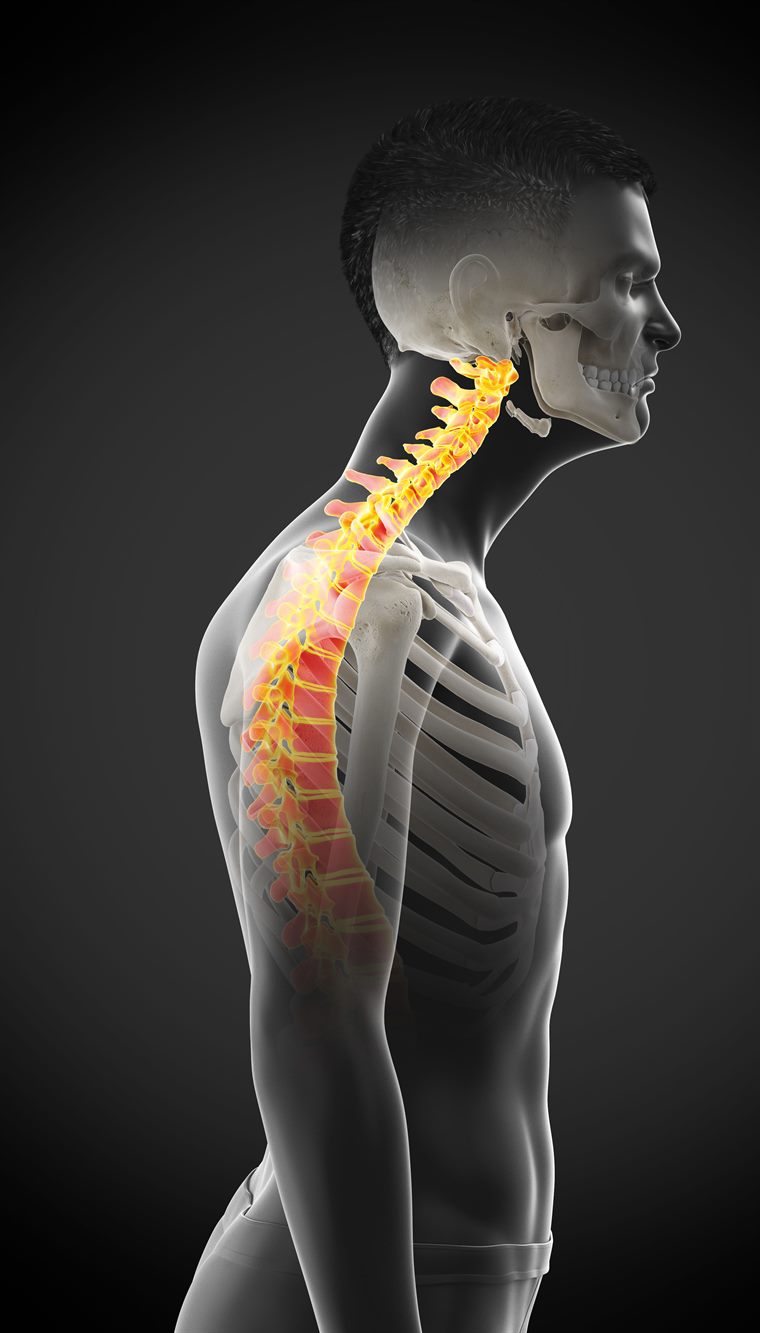
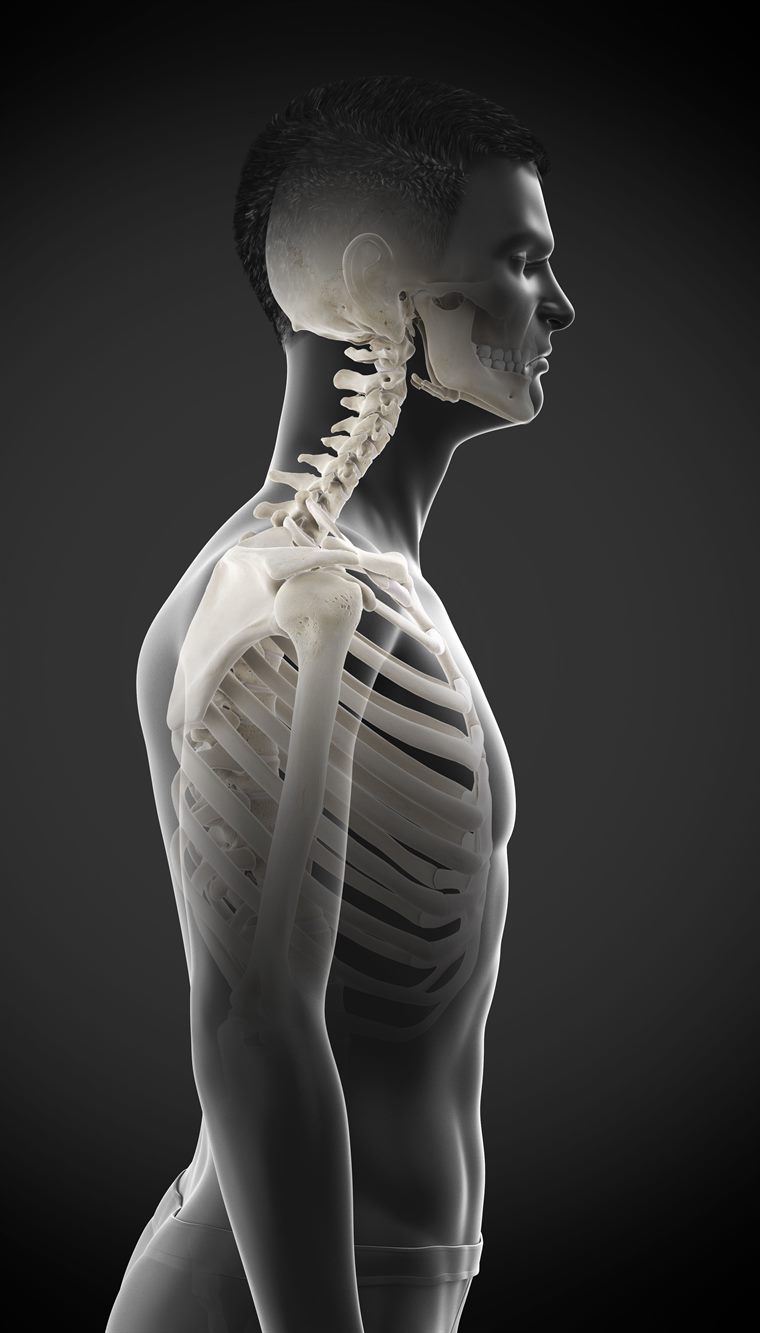
Drag to see the difference.
The same head, the same shoulders, two postures. Slide the handle to compare what your cervical spine is loading every day.
This is what we work on directly. Cervical adjustments + posture work →
What's actually causing it.
Forward-head posture
Phone use, desk work, driving, load up the upper neck and trigger tension headaches.
Cervical disc issues
Disc bulges in the neck can refer pain into shoulder, arm, or head.
Joint dysfunction
Stuck cervical segments at C1-C3 are classic headache triggers.
Trigger points
Knots in trapezius, sub-occipitals, and SCM muscles refer pain to the head.
Whiplash residuals
Old auto-injury can leave cervical instability and recurring headaches.
Stress & jaw tension
Sustained clenching can lock down cervical muscles. The neck and jaw are connected.
Address the cervical cause.
Chiropractic Adjustments
Restore cervical motion. Often the foundation for tension headache relief.
How adjustments help →Cervical Decompression
For neck disc cases, the same technology applied to the neck.
When we use it →Class IV Laser
Calms inflamed nerve roots and tight cervical muscle.
See the therapy →Shockwave Therapy
For chronic trigger points in the trapezius and sub-occipitals.
For stubborn cases →Quick answers.
Aren't migraines a brain thing?
Migraines have neurological mechanisms, but cervicogenic factors often trigger or worsen them. Patients with both classical migraines and a cervical contribution often see meaningful improvement with chiropractic care.
Is cervical adjusting safe?
Yes, performed correctly, with screening for the rare contraindications. Dr. Banman's 23+ years of practice make him exceptionally calibrated for cervical work.
How fast can I expect relief?
Many tension headache patients feel meaningfully better within a few visits. Severe or chronic cases need longer.
What's the difference between a tension headache and a migraine?
Tension headaches typically feel like a steady band of pressure around the head, often paired with neck pain and tight shoulders, and rarely include nausea or visual symptoms. Migraines are usually one-sided, throbbing, and often come with light sensitivity, nausea, or aura. The two can overlap, many patients with chronic neck pain develop a mix of both, and addressing the cervical contribution can be a meaningful part of the plan.
Can a misaligned neck cause headaches?
Evidence suggests yes, these are called cervicogenic headaches. When upper-cervical joints (C1-C3) are stuck or moving poorly, the surrounding nerves and muscles can refer pain into the head, especially the base of the skull and behind the eyes. Many patients report meaningful headache relief once the cervical movement is restored through targeted chiropractic adjustments.
How fast will I get neck pain relief?
Many patients with simple tension-pattern neck pain feel a noticeable shift within the first one to three visits. Whiplash, chronic disc-related cases, or long-standing posture problems usually need a more structured plan. We'll set realistic expectations during your evaluation rather than promising a quick fix that won't last.
Is it safe to crack my own neck?
Self-cracking moves segments that already move freely, leaving the actually stuck ones untouched, that's why the relief is brief. A trained adjustment targets the specific segment that needs motion.
Insurance?
Chiropractic is sometimes covered. Decompression typically isn't. HSA/FSA accepted. Payment options →
Common causes of neck pain and tension headaches.
Most chronic neck pain doesn't come from one moment of injury, it builds from daily habits and unresolved stresses on the cervical spine. Understanding the source is the first step to lasting headache relief.
Text neck & forward-head posture
Looking down at a phone or hunching over a laptop for hours pulls the head forward of its natural balance point. The deep cervical muscles fatigue, the upper trapezius overworks, and the upper-cervical joints stiffen. It's one of the most common drivers of modern neck pain and tension headaches that flare by mid-afternoon.
Whiplash & old auto injuries
Even minor rear-end collisions can leave the cervical spine with subtle joint dysfunction, scarred soft tissue, and recurring instability. Many patients with stubborn headaches trace them back to a car accident months or years earlier, see auto / whiplash for how those cases are evaluated. If the crash was recent, our auto accident injury hub covers the first steps, including Florida's 14-day care window.
Poor sleep posture & pillow setup
Sleeping on too many pillows, on your stomach with your head turned, or on a mattress that no longer supports the spine can lock the neck up overnight. Many patients see real neck pain treatment progress just by addressing the sleep setup alongside in-office care.
Stress, jaw clenching & sub-occipital tension
Sustained stress shows up physically, clenched jaw, raised shoulders, locked sub-occipital muscles where the skull meets the neck. That sub-occipital tightness is one of the most reliable triggers for cervicogenic headaches, and addressing it with manual therapy and adjustments can help break the pattern.
How chiropractic care helps cervicogenic headaches.
Cervicogenic headaches start in the neck, so any plan that ignores the cervical spine is treating downstream symptoms. Chiropractic care goes upstream.
Restoring cervical motion at C1-C3
The upper three cervical segments share nerve pathways with the trigeminal nerve, which is heavily involved in head pain. Specific chiropractic adjustments aim to restore motion at these levels, which evidence suggests may help reduce both the intensity and frequency of cervicogenic headaches in many patients.
Releasing sub-occipital tension
The small muscles where the skull meets the neck often hold chronic tension that refers pain straight into the head. Targeted manual therapy combined with adjustments can calm these muscles down, and many patients report that their headaches change quality almost immediately once those muscles release.
Decompression for disc-related headaches
When a cervical disc is bulging and irritating an upper nerve root, the pain can radiate into the head, shoulder, or arm. Cervical spinal decompression may help take pressure off the disc gradually, complementing the adjustment work and laser therapy.
Don't just medicate, find the source.
The first visit answers one question: what is actually causing your headaches, and whether what we do can help. Sometimes the answer is yes. Sometimes it is a referral somewhere better. Either way, you will know where you stand. Quickest path is a phone call.